Training After a Sports Massage
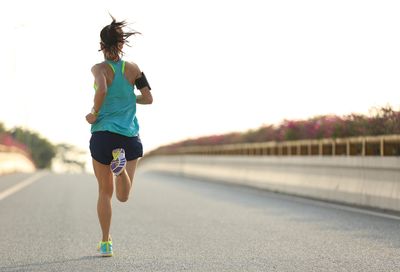
Training Straight After a Sports Massage Not A Good Idea
This information is evidence-based without the myths or exaggerated claims that most massage therapists and some physiotherapists make to get clients coming back more times than needed.
A full-body sports massage can feel like a reset—but your body isn’t instantly “ready to perform.” Whether you should train right after depends on how intense the massage was and how your body responds.
1. Muscle Sensitivity After Massage
Deep or sports massage applies firm pressure to muscles and connective tissue.
What’s happening:
- Muscles may become temporarily sore or tender
- There can be minor, short-lived tissue irritation (similar to post-exercise soreness in feeling, but not the same process)
The practical risk:
- Jumping straight into intense training can increase soreness or reduce performance
- You may be more aware of discomfort, which can affect how you move
2. Temporary Changes in Coordination (“Loose” Feeling)
Massage can shift your body toward a more relaxed state.
What’s happening:
- Reduced muscle tension
- Increased relaxation of the nervous system
- You might feel looser, heavier, or slightly sluggish
The practical risk:
- Coordination and stability can feel slightly off for a short time
- Heavy lifting, sprinting, or complex movements may feel less controlled
3. Hydration and Light-headedness
Massage can influence circulation and relaxation.
What’s happening:
- Blood vessels may dilate slightly
- You may feel relaxed or mildly lightheaded, especially if dehydrated beforehand.
The practical risk:
- Doing intense exercise immediately after may increase the chances of:
- Dizziness
- Fatigue
- Cramping (especially if you were already low on fluids)
Important clarification:
Massage does not “flush toxins” or require excessive water intake. Normal hydration is enough.
4. Recovery vs. Performance Goals
Massage is typically used to support recovery, not to prepare you for peak performance minutes later.
What’s happening:
- Your body is in a more relaxed, recovery-oriented state.
The practical reality:
- Intense training right after may:
- Feel harder than usual.
- Feel heavy.
- Reduce the relaxation benefits.
- But it does not “undo” the whole massage—it just may not be the most effective timing for your massage.
When Can You Train?
Timing
Recommendation
0–6 hours after
Best to keep activity light (walking, easy movement)
6–24 hours after
Light to moderate exercise is usually fine
24+ hours after.
But saying this, it all depends on your training and the need to keep your body in shape for training like the Olympic etc. I have had several female high-level athlete who came to me every 4 to 5 days, depending on their training, and always after their training.
Return to normal training with a better approach:
If you want both in one day, train first, then get the massage.
What About Running?
Running right after a deep massage isn’t dangerous—but it’s often not ideal.
Why it may feel off:
- Muscles may be tender
- Your stride might feel slightly different
- Impact can feel more noticeable
Better choice:
- Easy walk or light jog if you feel good
- Skip high-intensity runs, sprints, or long distances the same day
What to Avoid (Same Day)
- Very heavy lifting
- Max-effort sprints or intervals
- Aggressive additional tissue work (e.g., intense foam rolling on sore areas)
Simple Recovery Plan
Right after:
- Drink water normally (no need to overdo it)
- Move gently (walk, light mobility)
Later that day:
- Keep activity easy
- Warm shower or bath if it feels good
Next day:
- Resume training based on how your body feels
The Bottom Line
- Massage can leave muscles temporarily sensitive and your body more relaxed
- Intense training immediately after is often uncomfortable or less effective, but not inherently harmful.
- You don’t need to worry about “toxins” or extreme hydration—just use common sense and listen to your body.