Remedial massage for chronic pain management
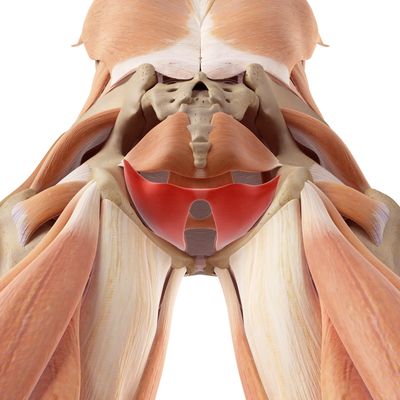
Do Pelvic Floor Muscles Work By Themselves?
Scope of Practice
(This is a guide about the pelvic floor muscles)
Do the pelvic floor muscles work on their own?
Short answer: No — the pelvic floor muscles do not work in isolation.
Here’s the evidence-based pelvic health explanation, especially relevant for female athletes:
The pelvic floor functions as part of an integrated myofascial and neuromuscular system, not as a single, independent muscle group. It works in constant coordination with surrounding muscles to manage load, pressure, stability, and movement.
What pelvic floor trigger point therapy actually is (physiology, simplified)
Trigger points aren’t “knots.” They’re better understood as:
- Localised areas of increased muscle tension and sensitivity
- Often linked to overactive motor end plates (where nerves stimulate muscle fibres)
- Associated with reduced blood flow and increased chemical irritants in that spot
In deeper regions like the pelvic floor and hips, they can:
- Stay chronically activated
- Refer pain to other areas (lower back, groin, glutes)
- Disrupt normal muscle coordination
So the goal of therapy is to:
- Reduce that local overactivity
- Restore normal muscle contraction/relaxation
- Improve circulation and movement
What pelvic floor trigger point therapy feels like
Most sports massage clinics (like Athletic Sports Massage Canberra) work externally, not internally.
Common areas treated
- Glutes (especially deep muscles)
- Hip rotators
- Lower abdominals
- Groin/adductors
- Around the tailbone/sacrum
What you’ll feel
- Deep, specific pressure — not broad massage
- A “good pain” or intense discomfort (usually 5–7/10)
- Sometimes a referral sensation (e.g. pressure in the glute → feeling in the hip or pelvis)
- A gradual “release” feeling as the muscle relaxes
Afterward:
- Muscles feel looser
- Movement feels easier
- You might feel slightly sore for 24–48 hours
When it’s actually useful (and when it’s not)
👍 Good fit if you have:
- Persistent hip tightness or imbalance
- Lower back pain that doesn’t fully resolve
- Groin strains or recurring pulls
- Tightness affecting squats, deadlifts, or running stride
- A feeling of deep pelvic/hip restriction rather than surface soreness
⚠️ Less useful if:
- Pain is primarily acute injury/inflammation
- Symptoms are more nerve-related (sharp, tingling, burning)
- There’s no clear muscle tightness or restriction
For specific activities
🏋️ Gym training (especially heavy lifting)
Very relevant if you:
- Struggle with depth in squats
- Feel glute activation is “off”
- Get tight hips after training
👉 Can improve:
- Hip mobility
- Pelvic stability
- Force transfer in lifts
🏃 Running
Helpful if you have:
- Tight hip flexors or glutes
- IT band–type symptoms
- Uneven stride or recurring niggles
👉 Can improve:
- Stride efficiency
- Load distribution
😖 Pelvic pain or tension
Can help if muscle-related, such as:
- Chronic tightness
- Overactive pelvic floor patterns
Important reality check
Pelvic-related trigger point work:
- Isn’t a magic fix
- Works best as part of a bigger plan:
- Strength work
- Movement retraining
- Load management
Bottom line
- It’s targeted, deep muscle work, not relaxation massage.
- It can be very effective for hip/pelvic-related tightness and performance issues.
- You’ll feel intense but controlled pressure, often with referred sensation.s
- It’s most useful when your issue is muscle overactivity and restriction, not structural injury
Muscles That Can Be Affected by the Pelvic Floor Muscles
The pelvic floor muscles do not work in isolation from other muscles within this area.
They function as part of an integrated lumbopelvic–hip system and influence, and are influenced by, several surrounding muscle groups:
1. Core and Trunk Muscles
- Transversus abdominis – works synergistically with the pelvic floor to support spinal stability and intra-abdominal pressure control.
- Multifidus – contributes to segmental spinal stability and coordinated movement.
- Diaphragm – coordinates with the pelvic floor during breathing and pressure regulation.
2. Hip and Pelvic Muscles
- Gluteus maximus, medius, and minimus – involved in pelvic stability, hip control, and load transfer.
- Hip rotators (including obturator internus and externus) – closely linked to pelvic floor tension and function.
- Adductors – share fascial and functional connections with the pelvic floor.
3. Lower Back Muscles
- Erector spinae – affected through postural control and pelvic alignment.
- Quadratus lumborum – contributes to pelvic stability and lateral control.
4. Inner Thigh and Deep Pelvic Muscles
- Levator ani group (pubococcygeus, puborectalis, iliococcygeus) – primary pelvic floor support muscles.
- Coccygeus – assists in pelvic floor stability
Functional Impact
Dysfunction (overactivity or weakness) of the pelvic floor can influence:
- Hip and lower back pain.
- Core stability and balance.
- Breathing mechanics.
- Athletic performance and injury risk.
Because of these interconnections, pelvic floor muscle assessment and treatment are often considered within a whole-body functional framework, particularly in women’s health and athletic populations.
How Abdominal Massage Integrates with Pelvic Floor Therapy
How Abdominal Massage Integrates with Pelvic Floor Therapy
1. The Core Pressure System (Diaphragm–Abdomen–Pelvic Floor)
The pelvic floor does not work in isolation. It is part of a pressure cylinder that includes:
- The diaphragm (top)
- The deep abdominal wall (front and sides)
- The pelvic floor muscles (base)
Abdominal massage helps:
- Restore normal diaphragmatic movement
- Reduce abdominal wall tension that pushes excessive pressure downward
- Allow the pelvic floor to respond and relax appropriately
When the abdomen is restricted, the pelvic floor is often forced to overwork.
2. Reducing Pelvic Floor Over-Tension
Many women have overactive (tight) pelvic floor muscles, not weak ones.
Abdominal massage:
- Releases guarding in the rectus abdominis, obliques, and transversus abdominis
Reduces constant downward pressure on the pelvic floor
Helps the pelvic floor let go, improving:- Pain
- Urgency
- Difficulty emptying bladder or bowels
This is especially important for women with chronic stress, athletes, or those with pelvic pain.
3. Fascial Continuity Between Abdomen and Pelvic Floor
The fascia of the abdomen blends directly into the pelvic floor tissues.
Manual abdominal work can:
- Free restrictions that pull on the pelvic floor muscles
- Improve the mobility of pelvic organs
- Reduce asymmetrical tension patterns affecting the pelvis and hips
This makes internal or external pelvic floor techniques more effective and less uncomfortable.
4. Improving Breathing Patterns
Shallow or chest-dominant breathing increases pelvic floor load.
Abdominal massage:
- Encourages full 360° breathing
- Restores coordination between breath and pelvic floor movement
- Improves relaxation on inhalation and functional support on exhalation
This is essential for continence, lifting, sport, and daily movement.
5. Neurological Down-Regulation
The abdomen is highly sensitive and linked to the nervous system.
Abdominal massage:
- Activates the parasympathetic nervous system
- Reduces pain sensitivity and protective muscle guarding
- Helps the pelvic floor respond to therapy rather than resist it
A calm nervous system allows deeper, longer-lasting pelvic floor change.
6. Post-Surgical and Scar Tissue Support
For women with:
- C-section scars
- Laparoscopic surgery
- Abdominal trauma
Abdominal massage:
- Improves tissue glide and circulation
- Reduces adhesions that restrict pelvic floor movement
- Supports better outcomes in pelvic floor rehabilitation
7. Who Benefits Most
- Women with pelvic pain or tightness
- Peri-menopausal and menopausal women
- Female athletes
- Women with bladder, bowel, or sexual pain symptoms
- Postnatal and post-surgical clients
Summary
You cannot fully treat the pelvic floor without addressing the abdomen.
Abdominal massage prepares the tissues, balances pressure, and calms the nervous system—allowing pelvic floor therapy to work more effectively and comfortably.
Benefits of Pelvic Floor Muscle Squats.
Purpose: Strengthen pelvic floor while working legs and glutes. (Never overdo any exercises, no matter what exercises you are doing. If you are doing squats with weights, don't overdo the amount of weight you lift.
1. Basic Pelvic Floor Squat, which can help with the Pelvic Floor muscles.
How to do it:
- Stand with feet shoulder-width apart, toes slightly out.
- Inhale deeply, letting your belly expand.
- As you exhale, gently draw your pelvic floor upward and inward (like a Kegel) and engage your core.
- Squat down slowly, keeping your chest up and knees over your toes.
- Lower until thighs are parallel to the floor (or as comfortable).
- Inhale at the bottom, then exhale and push through your heels to stand, keeping pelvic floor engaged.
- Repeat 8–12 reps, 2–3 sets.
Tip: Think of your pelvic floor as a “basket” you’re lifting slightly as you squat.
2. Squeeze-and-Squat (Optional Progression)
Purpose: Add dynamic pelvic floor contraction to each movement.
- At the bottom of the squat, squeeze pelvic floor muscles hard for 2–3 seconds before standing up.
- Repeat 8–10 reps, 2 sets.
3. Wall Squat with Pelvic Floor Engagement
Purpose: Supportive version for beginners or if recovering postpartum.
- Stand with your back against a wall, feet slightly forward.
- Inhale, exhale while engaging the pelvic floor and core.
- Slide down the wall into a squat, hfor old 3–5 seconds.
- Stand up slowly, maintaining engagement.
- Repeat 8–12 reps, 2 sets.
4. Tips for Squats with Pelvic Floor
- Do not overstrain: Only squeeze your pelvic floor gently, especially if healing.
- Coordinate breathing: Inhale going down, exhale coming up while engaging the pelvic floor.
- Posture matters: Keep chest lifted, shoulders relaxed, knees aligned over toes.
- Progress slowly: Add hold at the bottom or light resistance when ready.