Active Stretch Therapy: Benefits and Techniques
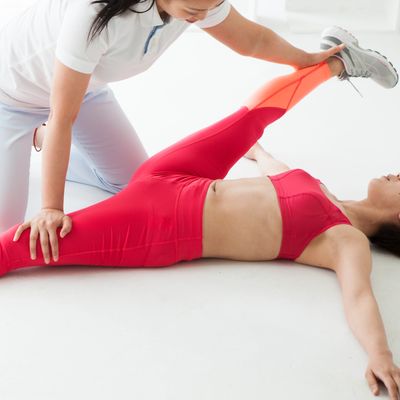
Benefits of Active Stretching Added to Your Sports Massage
Active stretching—where the client gently engages their muscles while being assisted—enhances the effectiveness of sports massage by improving mobility, neuromuscular control, and long-term results.
🧠 Improves Neuromuscular Function
- Helps retrain the brain–muscle connection
- Encourages muscles to lengthen while staying strong
- Reduces protective muscle guarding and faulty movement patterns
💪 Increases Functional Flexibility
- Improves usable range of motion, not just passive looseness
- Supports better performance in sports and daily movement
- Reduces stiffness without overstretching joints
🔁 Enhances Muscle Balance
- Assists in correcting imbalances between opposing muscle groups
- Helps overactive muscles release while underactive muscles engage
- Supports joint stability and efficient movement
🩹 Improves Injury Prevention & Recovery
- Reduces strain on tendons and ligaments
- Supports a safer return to activity after injury
- Helps prevent recurring injuries caused by restricted movement
🩸 Improves Circulation & Tissue Health
- Increases blood flow to muscles and connective tissue
- Supports oxygen delivery and waste removal
- Enhances tissue recovery following deep or targeted massage work
⚡ Improves Post-Massage Results
- Helps lock in the gains achieved during hands-on treatment
- Clients often feel lighter, freer, and more stable
- Extends the benefits of massage between sessions
🧍♀️ Enhances Posture & Movement Efficiency
- Improves joint alignment and control
- Supports better posture under load
- Reduces compensatory patterns that lead to pain
🧠 Client Awareness & Engagement
- Encourages clients to understand how their body moves
- Builds confidence in movement rather than fear or avoidance
- Helps transfer treatment benefits into real-world function
Summary
Adding active stretching to sports massage creates a more complete, functional treatment—combining hands-on release with movement re-education for longer-lasting results.